
Online volunteering can fit alongside university when the task, hours and supervision are clear before you start. Choose work you can complete during your busiest study weeks, rather than committing to the largest number of hours available. A useful assignment should help the host complete something specific while giving you practice and feedback.
What UNV online volunteering involves
The United Nations Volunteers programme connects volunteers with organisations needing remote support. You must be at least 18 to apply, and individual assignments have their own skills requirements. UNV permits up to 20 hours a week for a maximum of 12 weeks per assignment.1 Those are programme limits, not a suggested workload for students.
Online volunteering is unpaid and does not create an employment contract or affiliation with UNV or the host.1 If you need income, compare it with the time available for paid work. If your goal is experience, look closely at the task and learning conditions before accepting.
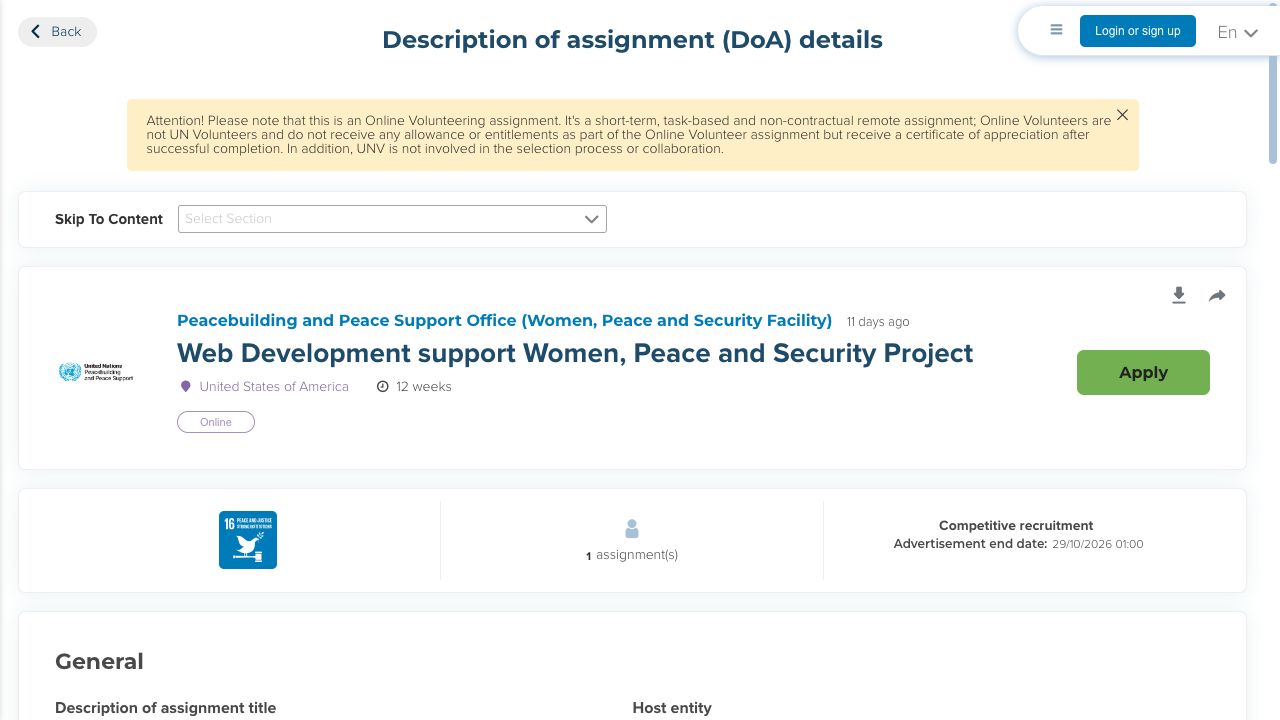
Choose a task you can understand
UNV's host guidance describes each assignment as a task with a predefined deliverable.2 In ordinary language, that means knowing what you are expected to hand over: a translation, a checked spreadsheet or a set of edited materials, for example.
Begin with a skill you can already use reliably and an area you would like to improve. An assignment can stretch your ability, but it should not depend on expertise you do not have and the host does not plan to teach.
Ask who needs the output and how it will be used. A description such as supporting research is too broad to assess on its own. You need the question, available material and expected format. A small weekly commitment can still involve technically demanding work.
Plan around the semester, including exams
Read the assignment dates against your calendar. Include assessments, dissertation deadlines, paid shifts and caring responsibilities. A project that fits an ordinary week may clash with the last fortnight of your course.
Check what the hours include. A six-hour weekly commitment that includes a one-hour meeting and an hour of revisions leaves four hours for the main task. Agree which meetings require attendance and which work can be completed at another time.
Tell the host about predictable changes in availability before starting. A fixed publication deadline may not move because of your examinations. If the dates conflict, a shorter or later assignment is a better choice than relying on flexibility that has not been agreed.
Questions to ask before accepting
Use the assignment description to start a practical conversation. Save the answers so you and the host have the same understanding.
- Output: What exactly will I hand over, in which format and by what date?
- Support: Who will answer questions and review drafts?
- Materials: Will the data, documents and software access be ready when work begins?
- Hours: Do the estimated hours include meetings, training and revisions?
- Changes: What will we do if the task takes longer or necessary material arrives late?
Keep the work within the agreed scope
UNV requires online collaboration and submission. Its platform rules prohibit requests to attend a physical location or make financial or in-kind contributions.3 If a request differs from the assignment, ask the host to explain it before proceeding and use the platform's support channels where needed.
For ordinary changes, return to the agreed output and deadline. If a host adds a second dataset or another document, explain the effect on your available hours. Revising the scope is more useful than quietly working beyond the commitment you can sustain.
Do not assume platform screening supplies day-to-day supervision. Ask the host team about feedback and access, and report obstacles early enough for someone to act.
Finish with useful work and a clear record
Hand over the output with brief notes explaining sources, decisions and unresolved issues. Ask whether it meets the host's needs and what you could improve. UNV requires hosts to provide feedback, acknowledge contributions and ensure a certificate of appreciation is issued at the end of the collaboration.2
For your own record, note the task, tools, dates and accepted output. Obtain permission before keeping or sharing the host's materials. In an application, describe your actual online-volunteer contribution rather than implying you were employed by a UN organisation.
The published experiences after online volunteering show how volunteers used their work in later applications and assignments. Your assignment does not need to lead immediately to a job to be useful, but it should have a clear purpose and leave enough time for your degree.